The brief
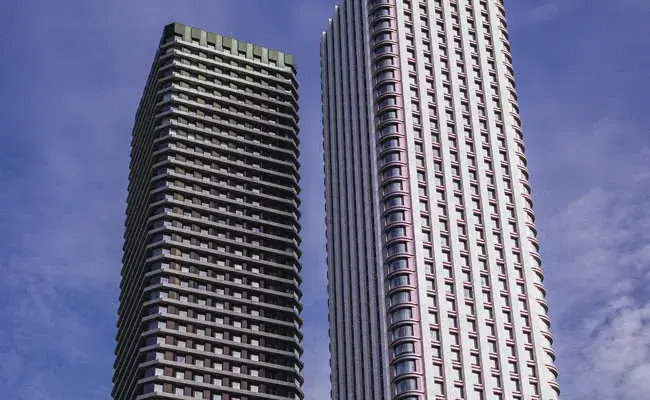
An ultra-luxury residential tower with finish tolerances measured in millimetres. Stone, joinery, and metalwork were ordered against the structural model — any deviation between drawing and as-built geometry would force the interior contractor to remake parts on site at a fraction of the planned margin.
Why it was risky
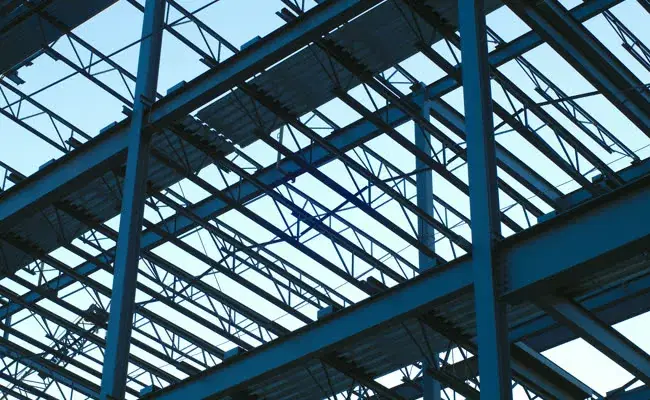
Beam misalignment in an ultra-luxury tower is not just a structural problem; it is a finishing-trades problem. A few millimetres of beam drift forces the blockwork to take up the slack, which forces the room dimensions to deviate from drawings, which forces stone, joinery and metalwork to be re-cut on site.
- Beam misalignment: beams across connected spans were not landing where the structural drawing said they would.
- Blockwork dimension errors: by the time blockwork was up, the rooms differed from approved interior drawings.
- Interior rework risk: if the deviation propagated, every floor of finishes would have absorbed bespoke rework.
What Kaël did
- Drawing synchronisation kept site teams working only from the latest GFC structural drawings, with the previous revisions clearly marked superseded.
- Mandatory digital inspections were enforced before each casting cycle — no concrete without an inspection card.
- Alignment verification caught beam deviations on a per-pour basis, not after the structure was complete.
- Early deviation detection turned what would have been a downstream interior issue into an immediate structural correction.
Outcome
The structural programme proceeded without cascading errors. Stone, joinery, and metalwork landed on floors that matched the model — no floor-by-floor interior rework was required.